

For many of us, the benefits of hyaluronic acid are widely known, and in this article we will try to delve into the details of its applications for the skin.
Hyaluronic acid is the main component of the dermis, the deepest layer of our skin. It contributes to the smoothness of the skin by binding large amounts of water molecules. Hyaluronic acid can bind water in quantities that are 1000 to 4000 times its own weight. This is much more than other natural or artificial substances can bind.
Found in the dermis, it also plays an important role in tissue repair. When the skin is overexposed to UV rays, it can become inflamed (solar dermatitis, sunburn), which reduces the production of hyaluronic acid by the dermis cells and damages the skin. Products that support the regeneration of hyaluronic acid after sun exposure are usually absorbed into the skin.
Due to its composition and ability to retain moisture, hyaluronic acid is associated with improving skin health, relieving joint pain, relieving dry eyes, increasing bone strength, and other health benefits.
What is hyaluronic acid?
It is a natural substance found in human skin, eyes, connective tissue and joints.
"Hyaluronic acid works in the tissues by binding and attracting water," says Dr. Rozmi Barrios, an expert in antiaging and regenerative medicine at the stem cell clinic Swiss Medica. "It stimulates the synthesis of elastin (a protein that gives skin elasticity) and collagen (a protein that helps keep skin, bones and joints healthy) and protects the skin from free radicals, making us look younger."
The human body produces it on its own, but according to Dr. Barrios, as we age, production slows down. "Over time, the concentration of hyaluronic acid in the skin begins to decrease," she explains. "As a result, signs of aging such as wrinkles and reduced elasticity begin to appear."
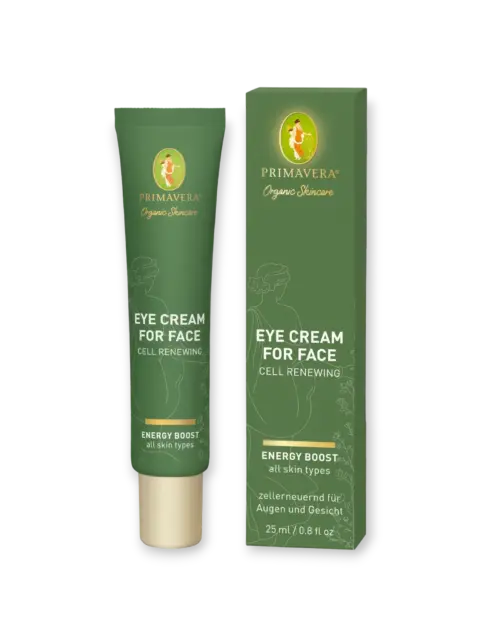
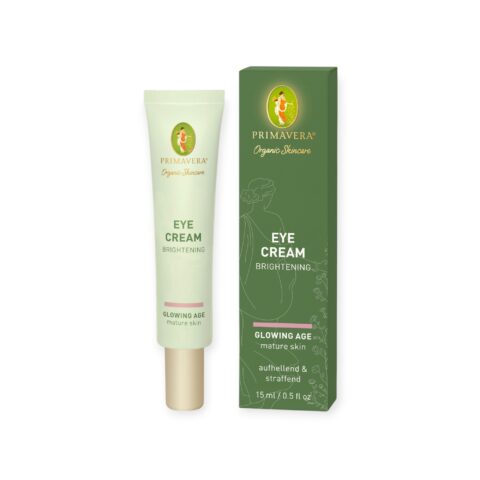
Hyaluronic acid can be delivered as an oral supplement, injection, eye drops, or in various types of topical applications, depending on the method of use. Topical use of hyaluronic acid is often found in serums, eye creams , and moisturizers, while injections are a cosmetic tool for lip augmentation, wrinkle reduction, and are also used to relieve knee joint pain.
What does the science say about hyaluronic acid?
Its benefits for the skin are related to its molecular weight and concentration. In this case, size matters! Molecular weight refers to its mass, or how large a molecule is. It is measured in unified atomic mass units – daltons, or kDa for short.
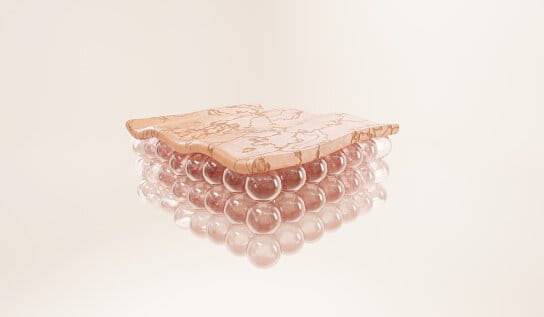
Hyaluronic acid with a concentration between 50 and 1000 kDa is most beneficial for the skin, with the latest studies showing that HA with a concentration of around 130 kDa is best. Anything higher won't make much of a difference. Anything lower can cause inflammation.
How is this conclusion reached? When you look at the studies, you may see some pattern, but one of the most in-depth studies (1) looked at HA with different molecular weights, including 50, 130, 300, 800, and 2000 kDa.
After one month, treatment with HA with a molecular weight of 130 kDa was found to be most effective, increasing skin elasticity by 20%. After 60 days, both 50 and 130 kDa hyaluronic acid groups showed a significant improvement in wrinkle depth and skin roughness. All other molecular weights also improve skin elasticity and hydration, but to a lesser extent.
What are the benefits of hyaluronic acid for the skin?
According to studies, it has many potential internal and external benefits and is approved by the US Food and Drug Administration (FDA) for several uses, including dermal fillers, topical wound creams and knee joint injections.
Potential benefits of hyaluronic acid for the skin include:
- Moisturizes the skin - it can hold up to 4000 times its weight in water, making it extremely effective at keeping the skin hydrated.
- Reduces the signs of aging - stimulates the production of collagen, which is essential for maintaining plump and youthful skin.
- When applied to the skin's surface, hyaluronic acid serums can reduce wrinkles, redness, and dermatitis.
Hyaluronic acid for the skin
One of the most common uses is as a skin care product. Many serums, creams, and gels containing hyaluronic acid are available online and in local stores. Some prescription wound creams also contain hyaluronic acid, a key component in tissue regeneration and anti-inflammatory response.

When used topically, it helps reduce the appearance of fine lines and wrinkles by tightening the skin, according to Dr. Barrios. "Since the body's hyaluronic acid decreases with age, using it helps keep the skin youthful, supple and baby-soft," she explains.
It's best to apply hyaluronic acid products before bed, according to Dr. Angela Casey, a board-certified dermatologist at the Center for Surgical Dermatology and Dermatology Associations in Westerville, Ohio. Some experts recommend applying it to damp, not dry, skin for optimal results.
"Hyaluronic acid applied to the skin at night penetrates the skin and then continues to attract water to itself - this allows for better hydration of the skin while you sleep," explains Dr. Casey. "Skin that is well hydrated stays strong, supple and healthy."
How to add hyaluronic acid to your daily beauty routine?
Moisturizing creams and serums are among the most common products containing hyaluronic acid.
Hyaluronic acid combines well with most common skin care ingredients, including:

- Humidifiers. Use it moisturizing face cream or fluid enriched with hyaluronic acid. Ideally this would be twice a day and always after cleansing, exfoliating or applying serums.
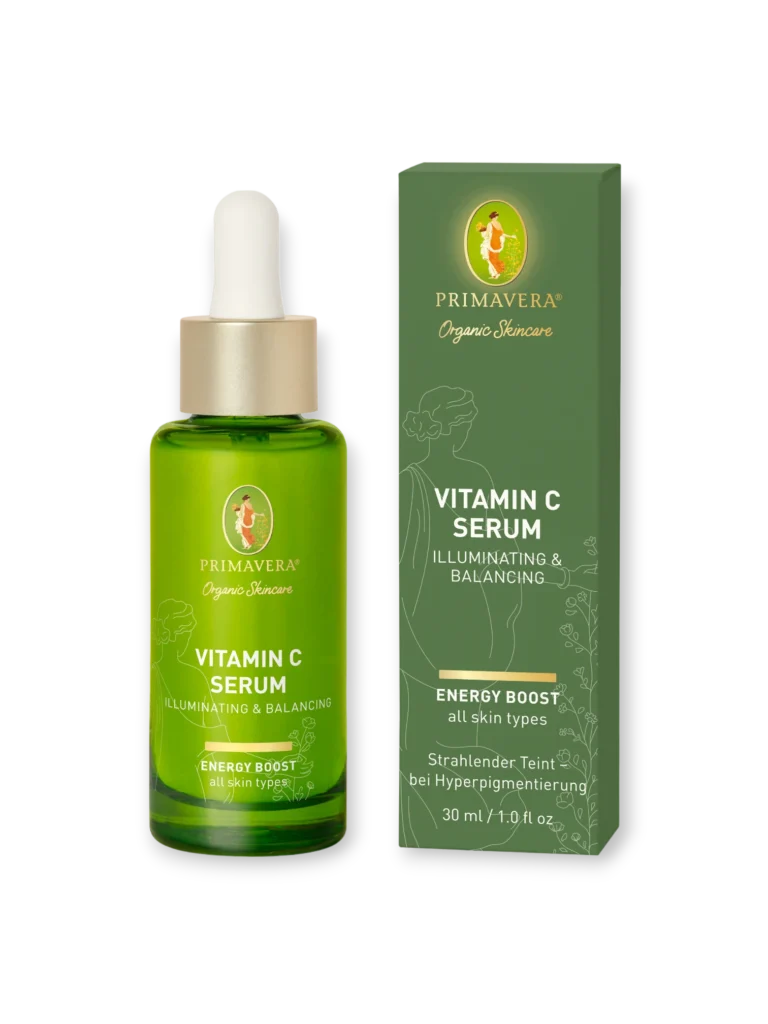
- Serums. Hyaluronic face serum Energy Boost involves a slightly different routine. After cleansing, while your skin is still damp, press a few drops onto your face with the palms of your hands. Don't forget to apply a moisturizer right after to keep all the hydration.
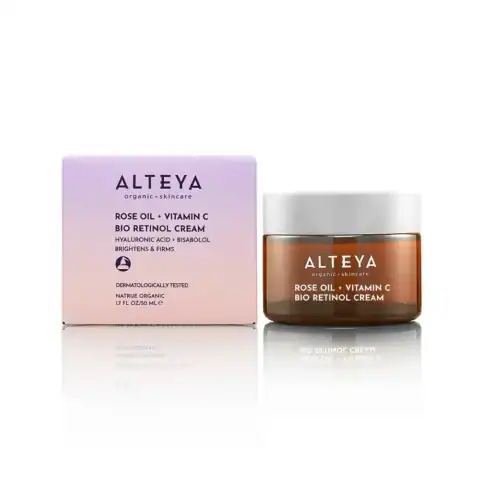
- retinol
- Vitamin C
- Alpha hydroxy acids (AHAs)
- Beta hydroxy acids (BHAs)
So you don't need to worry and change the rest of your routine.
How often can you use hyaluronic acid products?
It is always best to follow the specific product instructions.
In general, however, you can safely use it both in the morning and in the evening, but as we already mentioned, evening is preferable.
When can you expect results?
All products are formulated differently, so the time to achieve results may vary.
Since topical hyaluronic acid products usually have an immediate effect, you may start to notice plumper, more hydrated skin within minutes.
But if you want to reduce the appearance of fine lines and other signs of aging, you may have to wait a few months to see the difference.
Conclusion
To keep your skin looking and feeling its best, you need to hydrate it. If you're wondering whether the problem is dryness or lack of moisture, check out Dry or Dehydrated Skin - Similarities and Differences . And hyaluronic acid is one of the simplest ways to do that.
Easy to use, with little chance of side effects and available in a number of product formats: This is truly a skin care ingredient that can benefit anyone.
The information in this article is for educational purposes only and is not intended to serve as a basis for prevention or treatment.
More interesting articles from the blog
- Vitamin C serum – why should we add it to our daily routine?
- Dry or dehydrated skin – similarities and differences!
- Eye cream according to skin type
- Niacinamide: 10 Skin Benefits
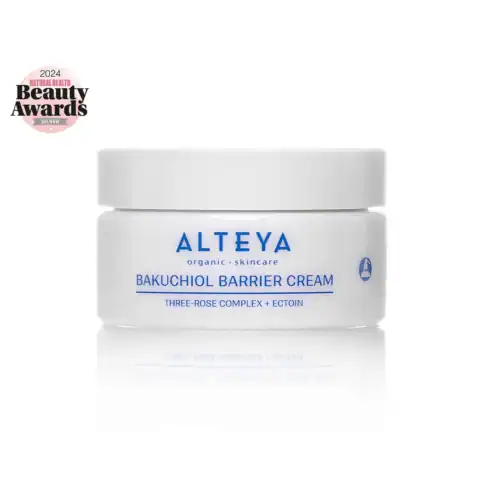
- Bakuchiol – the natural alternative to retinol
Categories
- Aromatherapy
- Essential oils
- Carrier oils
- Diffusion methods
- Natural cosmetics
- Recipes with essential oils
- News

Sources:
- Wikipedia
- Primavera Life
- pubmed.ncbi.nlm.nih.gov/22052267
- ncbi.nlm.nih.gov/pmc/articles/PMC3583886
- health.harvard.edu – The hype on hyaluronic acid
Photos: Primavera Life
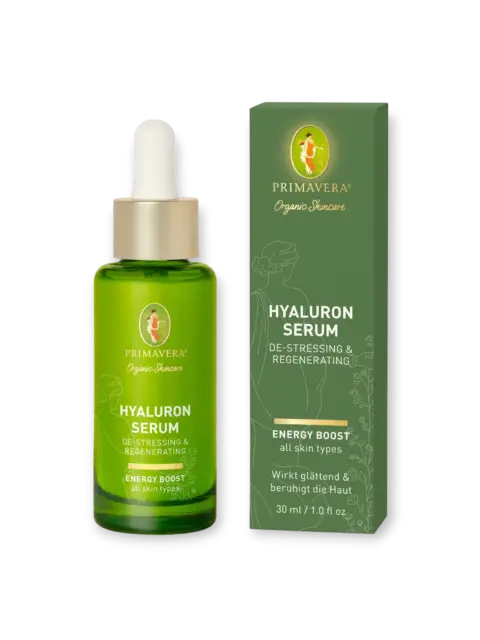
49.90 €Add to cart
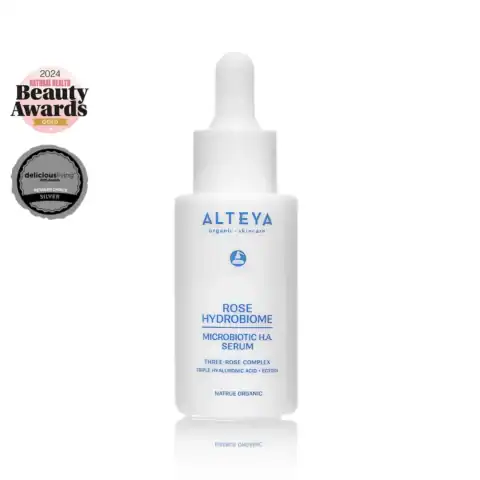
36.95 €Add to cart

59.90 €Add to cart
59.90 €Add to cart

19.00 €Add to cart
22.95 €Add to cart
36.95 €Add to cart

19.40 €Add to cart
39.90 €Add to cart
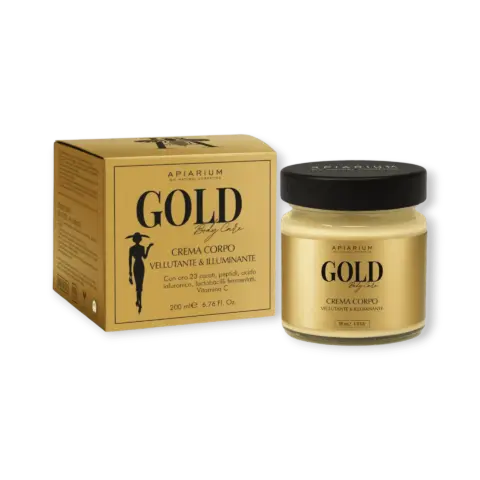
28.00 €Add to cart
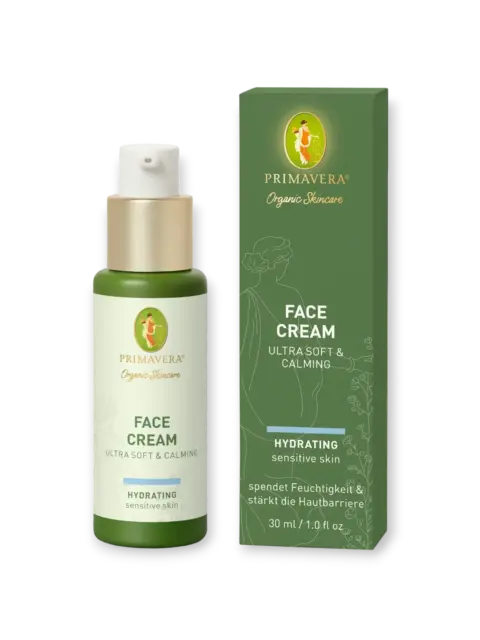
19.90 €Add to cart


