
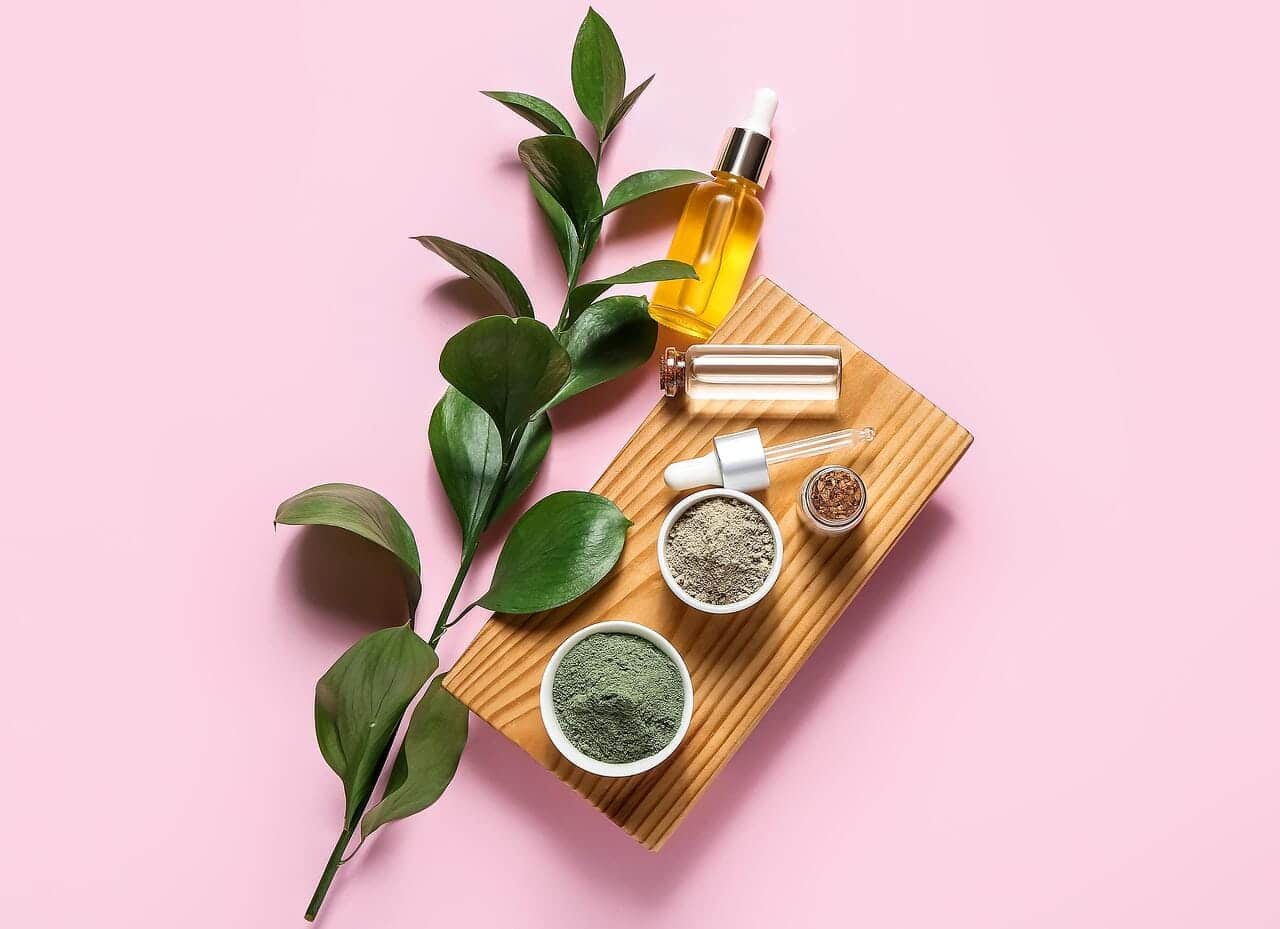
What is a hair mask?
You've probably heard of and tried a face mask. Just as a face mask nourishes and hydrates your skin, a hair mask works in a similar way to improve the condition and health of your hair.
Hair masks can also be called deep conditioning treatments or intensive hair conditioners.
What sets them apart from quick-drying conditioners is that the ingredients are usually more concentrated and the mask is left on the hair for a longer time – from 20 minutes to several hours.
Many types of hair masks can be made at home using ingredients you may already have in your kitchen, such as bananas, honey, or even egg yolks. If you don't want to bother making them yourself, there are many types of ready-made hair masks that you can buy at the store.
In this article, we'll take a closer look at the benefits of hair masks, how to use them, and the types of masks that are best for your hair type.

What are the benefits of a hair mask?
The benefits of using a hair mask are many, and they vary depending on the ingredients in the mask and your hair type. Generally speaking, the benefits of using a hair mask include:
- shinier and softer hair
- additional humidification
- reducing hair breakage and damage
- less hair breakage
- healthier scalp
- stronger hair
- less damage to the environment and products
Which ingredients are suitable for a hair mask?
Hair masks are very diverse in terms of ingredients that can take care of your hair. The ingredients that may be best for you depend on your hair type and the condition of your hair and scalp.
Here are some of the most popular ingredients to look for in a store-bought hair mask or to experiment with when making your own:
- Bananas. If you want to reduce hair breakage, bananas are a great ingredient to include in a hair mask. The silica in bananas can also help make your hair softer and shinier. According to a 2011 study, bananas also have antimicrobial properties. This can help reduce dryness and dandruff.
- Eggs. The nutrients in egg yolks, including vitamins A and E, biotin and folate, can help hair grow, and the proteins in egg whites help strengthen hair.
- Avocado oil. The minerals in avocado oil, such as folic acid, iron and magnesium, can help seal the hair cuticle. This can help make your hair more resistant to damage and breakage.
- Honey. Honey is considered a humectant, which means it can help your hair attract and retain more moisture. It can also stimulate the growth of skin cells, which can help strengthen hair follicles.
- Coconut oil. Thanks to its low molecular weight, coconut oil can penetrate the hair shaft for deep nourishment. This can help reduce hair dryness and breakage. Research from 2015 also show that coconut oil can reduce protein loss when used on hair.
- Olive oil. Want intense hydration? Olive oil contains squalene, which is produced naturally by the body but decreases with age. Squalene is essential for moisturizing hair and skin.
- Aloe Vera. If you want to soothe your scalp, consider an aloe vera hair mask, which has anti-inflammatory properties. It also contains vitamins C, E and B-12, folic acid and choline, which can help strengthen and nourish your hair.
Hair mask recipes

Making your own hair mask is quite easy and can be fun. If you haven't tried a hair mask before, you can experiment with a few different recipes and ingredients until you find the one that works best for your hair.
You'll know it's right if your hair is soft and hydrated without looking or feeling greasy or depleted.
To get started, you can try one of these basic but effective DIY hair mask recipes. You can increase the amount of ingredients depending on the length of your hair.
Mask for curly or damaged hair
- 1 tbsp. organic raw honey
- 1 tbsp. organic coconut oil

How to make: Heat the honey and coconut oil in a saucepan and stir until combined. Allow the mixture to cool, then apply it to your hair. Leave it on for 40 minutes, then shampoo and style as usual.
Mask for dry hair or dandruff
- 1 ripe avocado or 2 tbsp. organic avocado oil
- 2 tbsp. aloe vera gel
- 1 tsp organic coconut oil
How to use: Mix the three ingredients together, then apply to wet or dry hair from roots to ends. Leave on for 30 minutes, then rinse with lukewarm water.
Mask for thin and thinning hair
- 2 protein
- 2 tbsp. organic coconut oil
How to make: Beat egg whites and oil until combined. Apply from roots to ends to damp hair and leave on for 20 minutes. Rinse hair with lukewarm water. This is especially important for masks that contain eggs, as hot water can cause the eggs to cook in the hair.
Ready-made hair masks
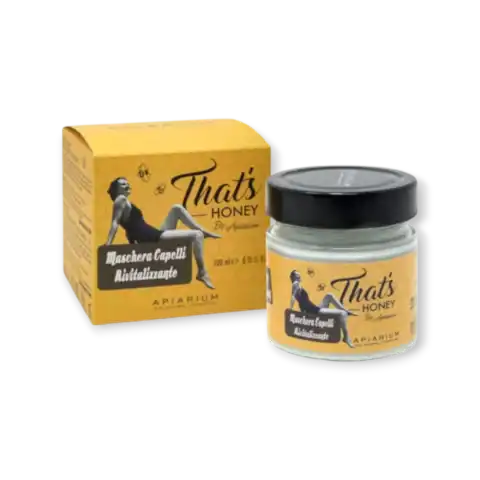
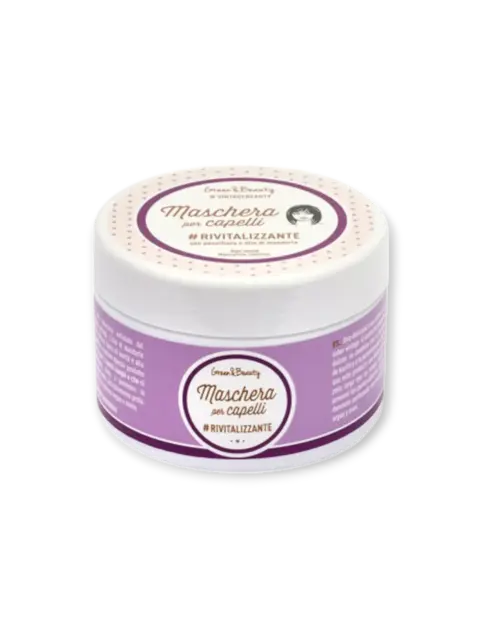
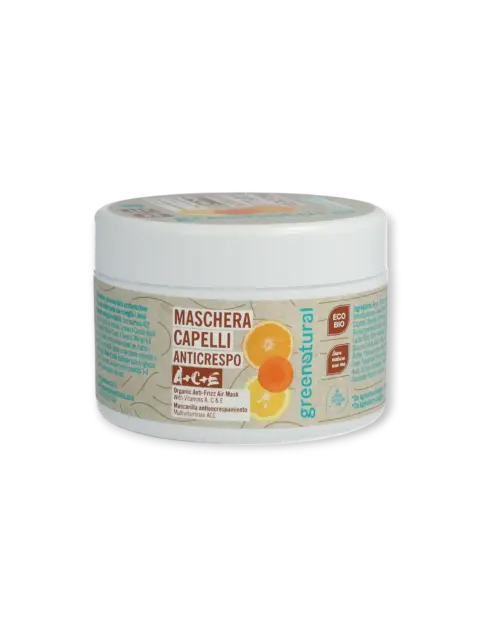
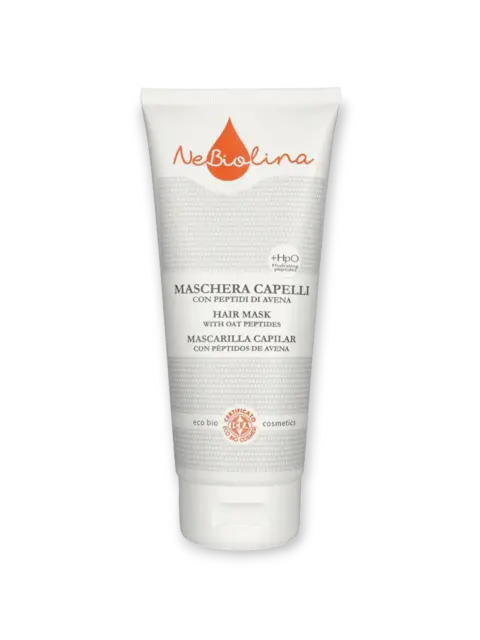
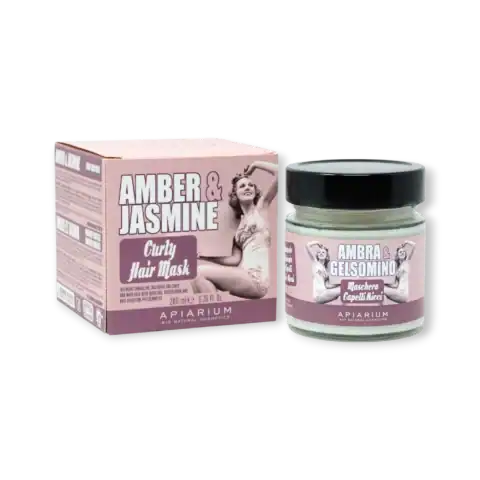
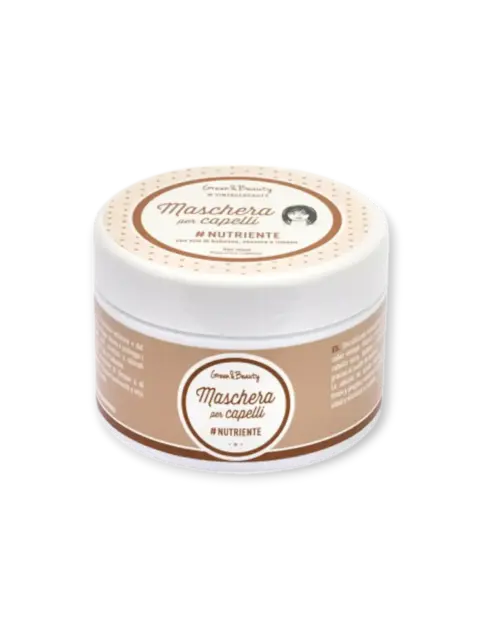
If you don't have time to make a DIY hair mask or don't want to bother with measuring and mixing ingredients, there are many ready-made options to choose from. You can purchase hair masks from a MAKASA store or online.
If you are buying a ready-made hair mask, look for products that contain natural ingredients such as essential oils , carrier oils , and plant extracts, without chemicals or preservatives.
How to apply a hair mask?
Most hair masks work best when applied to clean, towel-dried hair that is still damp.
However, if you are using a hair mask made primarily of oils, such as coconut or olive oil, it may be best to apply the mask to dry hair. Because oil can repel water, some hair care experts believe that dry hair is better able to absorb oil than wet hair.
Application steps
- To protect your clothes, throw an old towel over your shoulders or put on an old T-shirt.
- If your hair is long or thick, it can help to section it using hair clips.
- You can apply the mask with your fingers or use a small brush to apply the mask mixture to your hair.
- If your hair is dry, start applying the hair mask near the scalp and work towards the ends. Once the mask is applied to the ends of the hair, you can go back and gently apply to the scalp.
- If you are applying the mask specifically to treat dandruff, you should start from the scalp.
- If your hair is oily, start applying the hair mask from the middle of the hair and continue towards the ends.
- Once you're done applying the mask, run a wide-tooth comb through your hair to make sure the mask is distributed evenly.
- Cover your hair with a shower cap or plastic wrap. Then wrap your head with a towel. This helps keep the mask from dripping, but also adds heat, which can help the ingredients absorb into your hair.
- Leave the mask on for at least 20–30 minutes. Depending on the ingredients, some masks can be left on for hours or even overnight.
- Rinse thoroughly with lukewarm or warm water. Avoid hot water. Cooler water can help seal the hair cuticle and help your hair retain more moisture.
- Once you've rinsed off the mask—it may take two or more rinses to completely remove—you can add products and blow-dry or style your hair as usual.
- For dry, curly or damaged hair, you can apply a hair mask once a week. If your hair is prone to oiliness, try using it every few weeks.
Conclusion
Hair masks can help moisturize and nourish your hair. They are especially useful for dry, damaged or curly hair. Some hair masks can even improve the condition of your scalp and increase the strength of your hair.
Unlike leave-in conditioners that only stay on your hair for a few minutes, hair masks stay on your hair for at least 20 minutes. Some hair masks can stay on your hair for several hours, depending on your hair type and the ingredients.
There are many different types of hair masks that you can make at home using natural ingredients like coconut oil, eggs, honey or bananas.
If you buy a ready-made mask, look for one that is suitable for your hair type and does not contain chemicals.
More interesting articles from the blog
- Hair conditioner: what are the benefits and how to use it?
- Nourishing shampoo with beer
- 10 natural ingredients against hair loss
- The 13 Best Essential Oils for Dandruff
- Top 9 essential oils for hair loss
Categories
- Aromatherapy
- Essential oils
- Carrier oils
- Diffusion methods
- Natural cosmetics
- Recipes with essential oils
- News

19.00 €Add to cart
13.75 €Add to cart
16.20 €Add to cart
13.05 €Add to cart
19.00 €Add to cart
13.75 €Add to cart


