
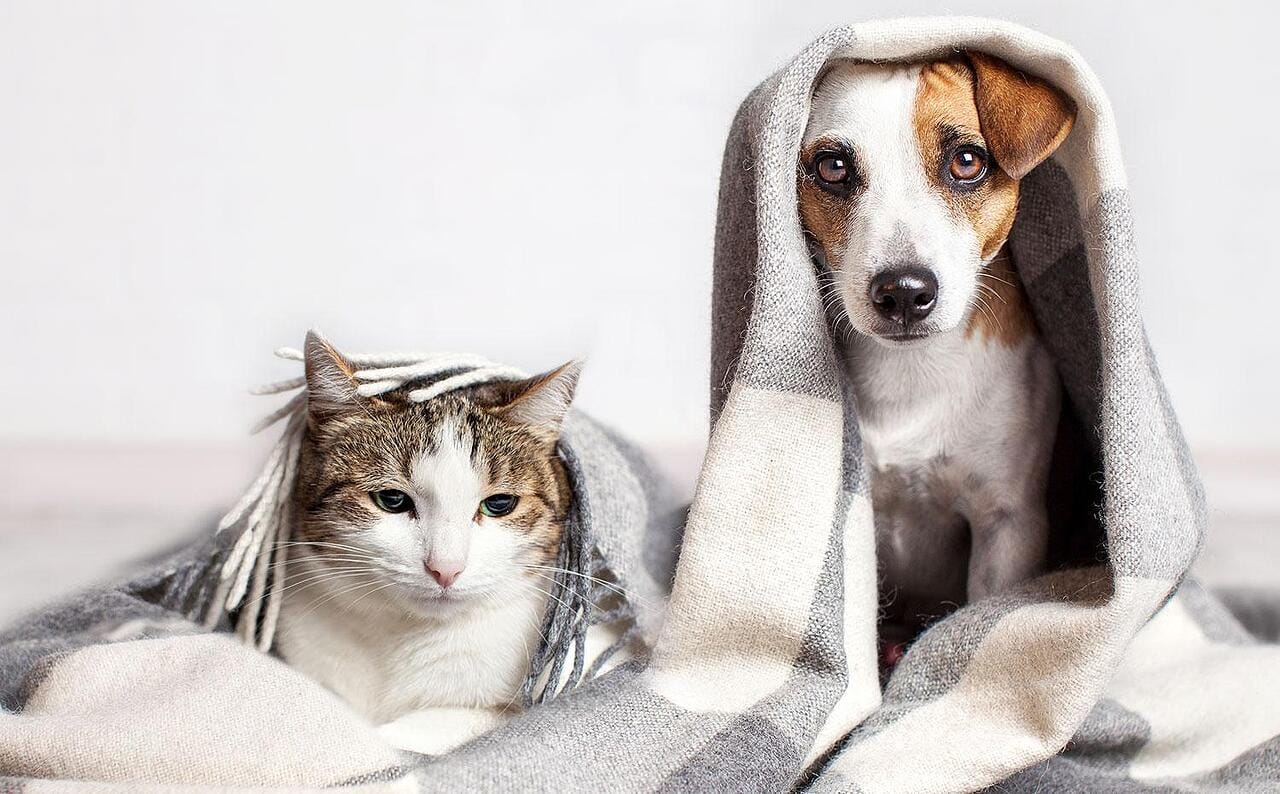
We love 100% pure organic essential oils and their incredible health benefits, but do they have the same positive effects on our pets? Using essential oils at home, not just in spas and medical centers, has become an increasingly popular hobby in the last few years. Despite its popularity, however, scientific evidence on the positive health effects of essential oils is limited, especially when it comes to the health effects of pets. That’s why we thought this article was absolutely necessary, not only because we have a cat at home, but also because we want to give some useful tips on how to safely use essential oils around our pets.
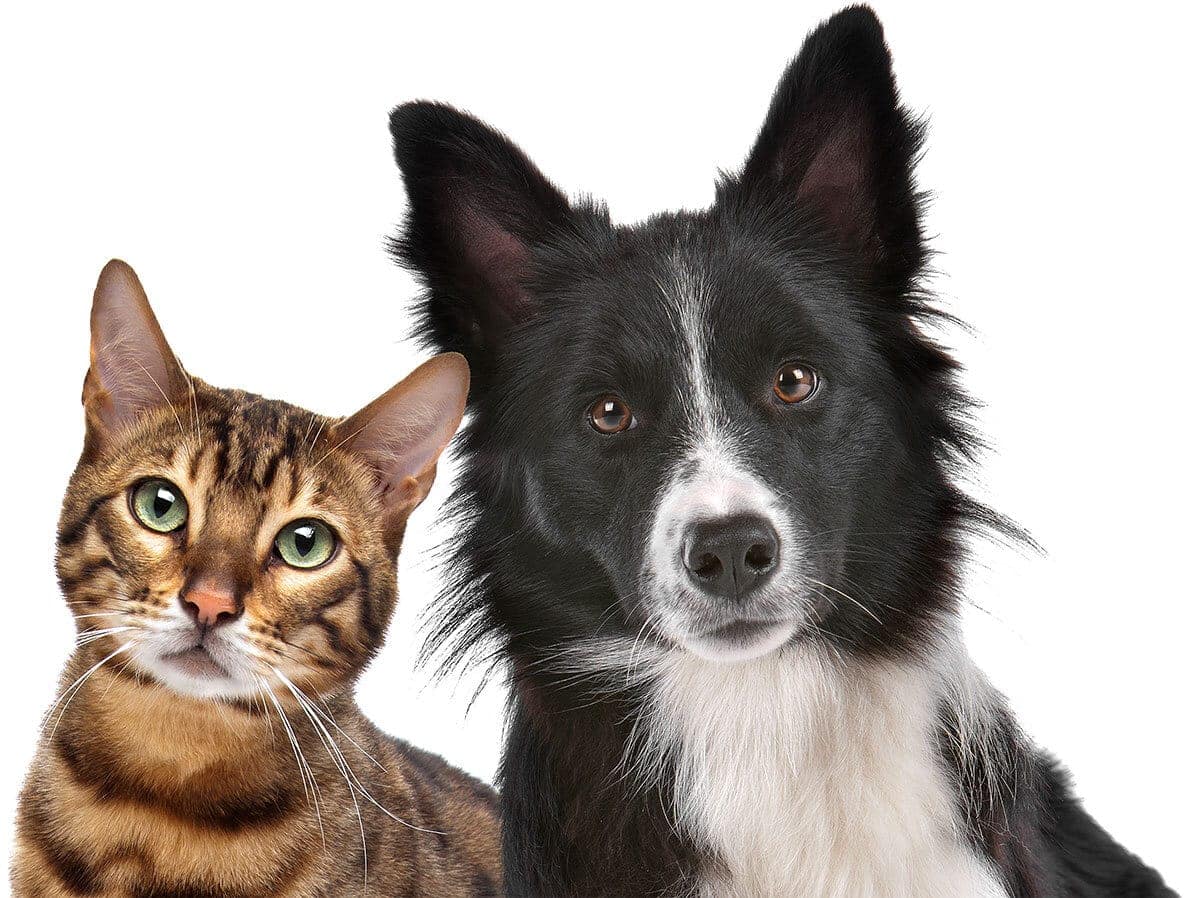
We often have to explain to our clients that topical application of any essential oil, even diluted, to the fur of a pet (e.g. a dog) will not only harm, but will not help to eliminate the various parasites. It is important to note that cats and dogs are much more sensitive to scents than humans. A scent that is insignificant to us humans can be overwhelming and harmful to the animal.
Many essential oils, such as eucalyptus, tea tree oil, cinnamon, citrus, peppermint, pine, wintergreen, and ylang-ylang, are extremely toxic to our pets. Whether applied to the skin, used in diffusers, or heaven forbid taken orally, they can be fatal to our faithful friends. Inhalation of diffused oils is known to cause negative respiratory effects on pets if used in a small space and/or for an extended period of time. By the way, this is not useful for us either.
More about essential oils. Advantages
Essential oils are produced by various plants and are highly concentrated volatile substances popular in aromatherapy and alternative medicine. They are used in the production of cosmetics, perfumery, and also in home air fresheners. There are numerous types of essential oils, each with their own unique physical and chemical properties.
Some people believe that using essential oils helps improve the health and happiness of their pets. That's why some choose to try an all-natural "all-natural" approach to help their pet's various conditions. From anxiety and skin problems, to flea and tick deworming. We are quite reserved about these approaches, as there is insufficient evidence that essential oils have a positive effect. And not only that - somehow it doesn't seem right to us to experiment with the health of our pet without being aware of how much harm we are doing.
Sometimes the positive effects for us humans (sedation, stress reduction, increased energy, improved focus, etc.) from essential oils can lead to significant negative effects on our beloved pets.
Risks to cats when using essential oils
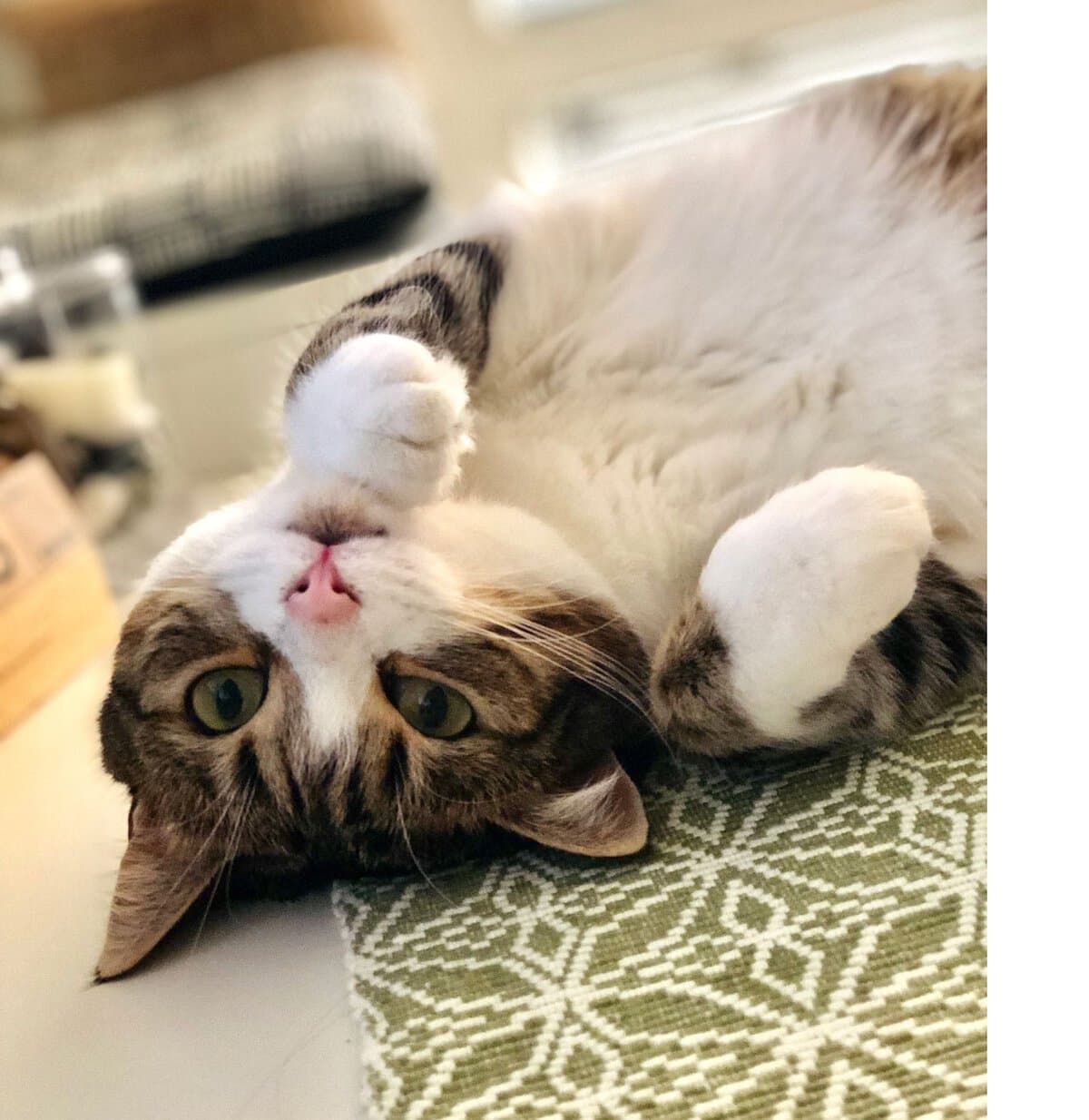
Well-established research shows that essential oils can be toxic to cats, whether applied to the skin or simply inhaled. Exposure can cause serious liver damage, liver failure, respiratory failure, seizures and even death. We absolutely do not recommend using essential oils on your cat - especially topically. Cats lick their fur and so the oil can get into their digestive tract and from there into their blood.
Cats lack specific enzymes that process the compounds found in essential oils, particularly phenols . Phenolic compounds occur naturally in plants and are highly concentrated in essential oils. They most severely affect the liver, causing organ failure.
Our guidelines for safe use of essential oils around a cat
- When diffusing oils, keep the cat in the other room or as far away from the diffuser as possible. Always check if you feel there is a risk of fragrance overdose in the room. Either way, it's not good for our health either.
- When applying essential oil products to your skin, wash your hands before petting the animal.
- Do not apply essential oils directly to cats. Take care not to leave oils in places accessible to your pets.
- If your cat has asthma, allergies or other respiratory conditions, avoid any use of essential oils. Cats with liver problems should not be near the essential oil diffuser.
Don't worry, cats are extremely sensitive, if they smell an unpleasant smell, they will immediately run away from it. Have you ever noticed when you bite into a sweet orange, what happens if the aroma (the essential oil is in the peel and you can get it yourself, by gently squeezing) from the oil gets near your furry friend? Well, our cat runs far away if he smells even a faint scent of citrus. Some oils have insect repellent properties and smell great, but there is a risk of serious reactions if you don't air out the room before your cat steps into it. Here is a list of oils that are extremely harmful to cats:
- Cinnamon (exceptional allergen in humans as well)
- Citrus of any kind
- Clove (also causes sensitivity in humans if overdone)
- Eucalyptus
- Mint
- Pine oils
- Tea tree
- Wintergreen (and we have to be careful with this oil, especially those of us who are allergic to apsirin)
- Ylang-ylang
- Thyme (also causes sensitivity in humans if overdone)
- Oregano (causes sensitivity in humans too if overdone)
- Lavender
Risks to dogs when using essential oils
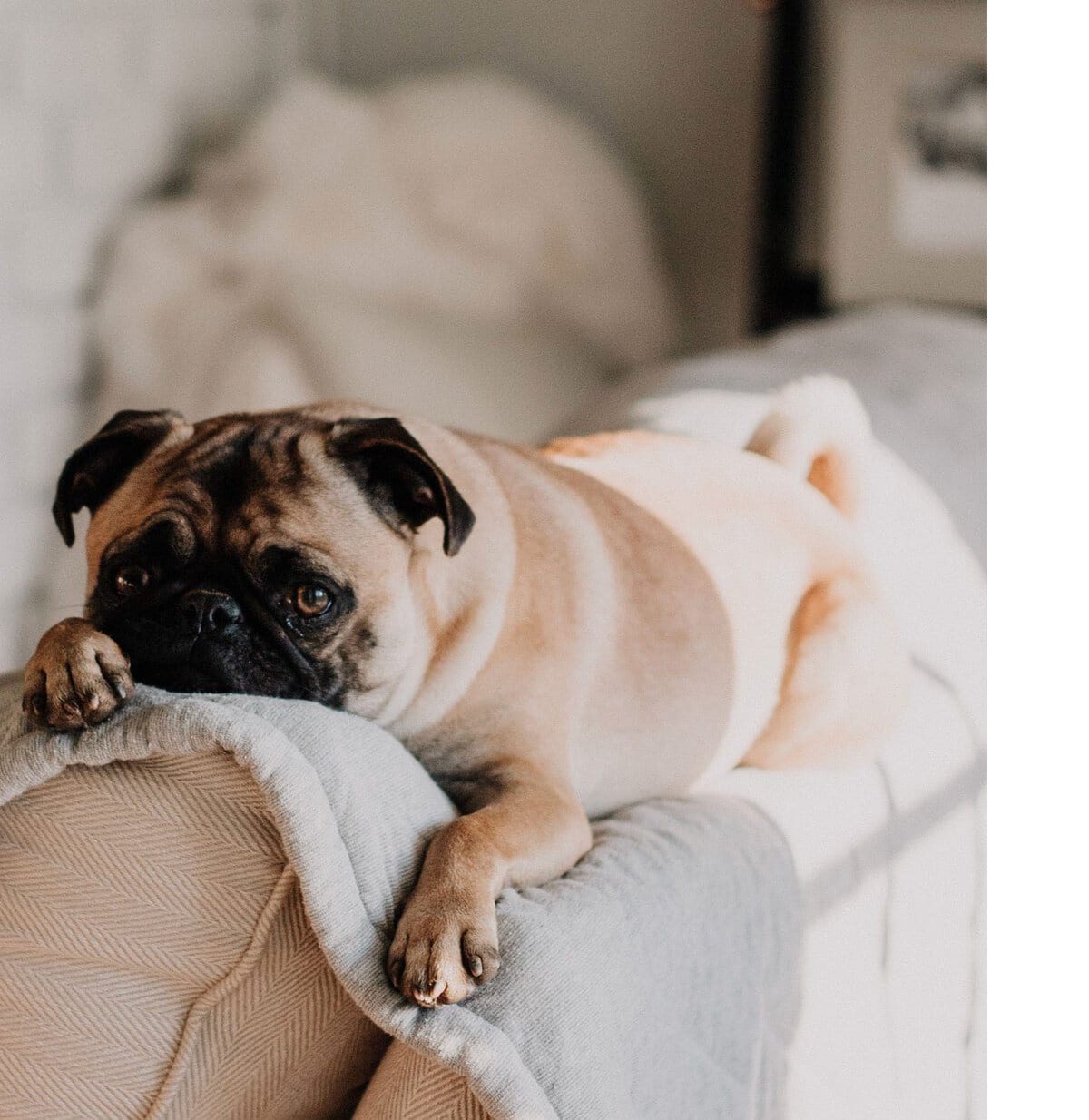
If you plan to diffuse oils in your home, remember that dogs' sense of smell is much stronger than humans'. Putting just a few drops of lavender oil on your pet's sleeping area can cause additional stress for them. Improperly used oils can lead to behavioral changes, adverse effects on the central nervous system and respiratory problems.
Guidelines for Safe Use of Essential Oils
Methods for removing fleas and ticks with essential oils can be very complicated. In the absence of comprehensive information on the efficacy of these products, you may be putting your dog at risk of flea and tick-borne diseases such as dermatitis and skin diseases. Please do not use essential oils as a dewormer! Trust the proven veterinary products - they protect your pet in a very wide range. Here are our tips for using essential oils around your dog:
- ALWAYS keep essential oils out of the reach of curious dogs! Scented smelling liquids can attract your dog, so never leave them unattended.
- Do not apply pure essential oils topically or orally to your dog without first consulting your veterinarian. Oils are not safe – especially tea tree oil – and there is almost no scientific evidence that they can be effective on pets.
- If you have an active diffuser make sure the oil you use is safe for your animal (more on that below) and air out the room before letting your dog back in.
Passive diffusers are generally safer as long as your pet doesn't knock them over. Generally speaking, the thinner the oil, the safer it is…but always check with your vet first! Oils that are harmful to dogs:
- Bor
- Tea tree oil
- Gaultheria
- Canela
- Citrus
- Mint
- Ylang Ylang
- Anise
- Cloves
- Thyme
- Juniper
- Yarrow
What to do if accidental essential oil is in contact with our pet
If you are concerned that your pet has been in contact with an essential oil, monitor it for symptoms. If you notice a negative reaction, immediately take the animal to a veterinary clinic and explain the situation to the doctor.
Common symptoms of essential oil poisoning:
- Watery nose or eyes;
- reddening of the lips, gums, or skin;
- vomiting and drooling;
- difficulty breathing or shortness of breath;
- cough or wheezing;
- lethargy, tremors, or unsteadiness;
- low heart rate;
- low body temperature.
Tips before going to a veterinary clinic
- If the essential oil is inhaled, immediately remove the animal to fresh air.
- If swallowed, DO NOT induce vomiting and DO NOT give activated charcoal. This puts your pet at risk because essential oils can stick to the lungs and airways, causing lung inflammation or airway obstruction.
- Place the vial and packaging (of the accepted essential oil) in a sealed bag and take them to the clinic.
- If the essential oil gets on your pet's skin or fur, wash it off as quickly as possible using a mild soap or a special shampoo for cats and dogs.
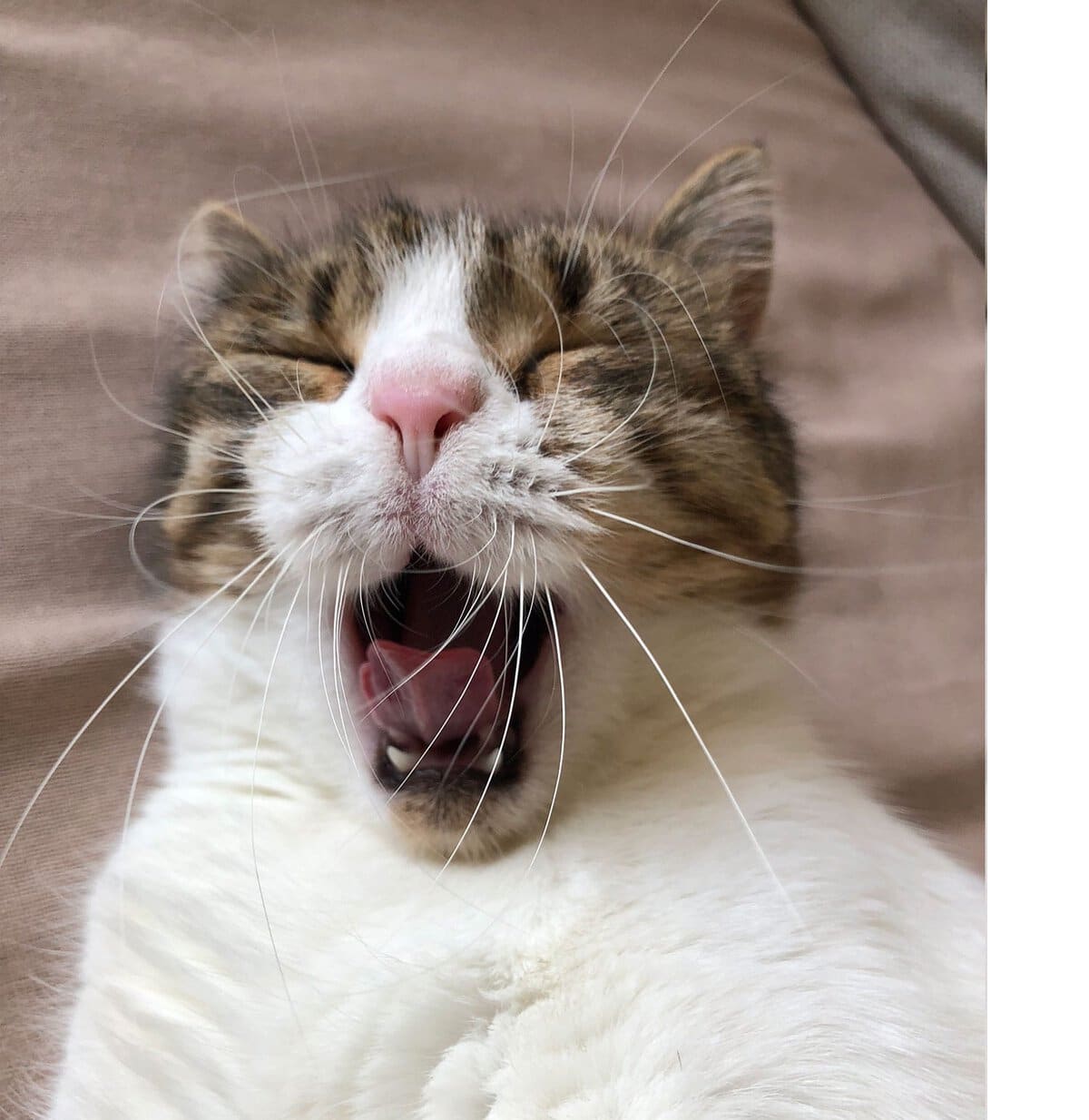
We believe the benefits of using essential oil diffusers in your home outweigh the risks, but still be careful if you have curious pets around. For all of us who have a cat or dog at home, taking care of their health is a top priority. Therefore, trust the professionals, the veterinary clinics, you can also ask them for advice on what would be safest for your furry friend.
And last but not least, we send the warmest greetings from our cat Pacchioni and we wish you pleasant fragrant moments.
MORE INTERESTING ARTICLES FROM THE BLOG
- SOOTHING MIND AND BODY - RECIPES WITH ESSENTIAL OILS
- ZODIAC AND ESSENTIAL OILS
- ESSENTIAL OIL RECIPES FOR HOME CLEANING AND DISINFECTION
- ABOUT THE AROMA QUALITY OF PRIMAVERA PRODUCTS
- SCALP RELIEF SPRAY
CATEGORIES

15.90 €Add to cart

18.90 €Add to cart

Price range: €10.90 through €18.90Options This product has multiple variants. The options may be chosen on the product page

9.90 €Add to cart

9.90 €Add to cart
39.90 €Add to cart

15.90 €Add to cart